
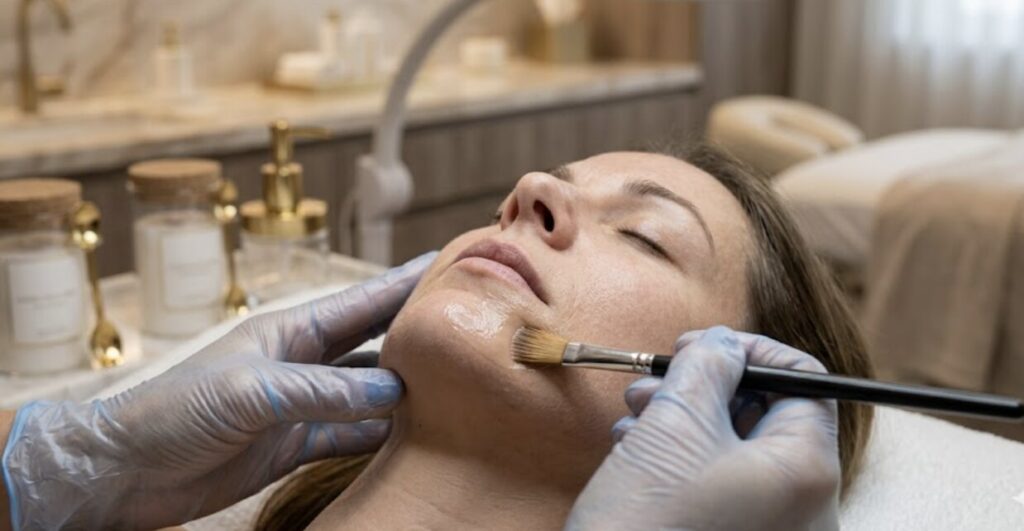
A chemical peel can leave your skin looking brighter, smoother, and more refreshed. Then day three hits. Your skin feels tight, flaky patches start showing up around your mouth, and suddenly you’re googling things like “Did my chemical peel go wrong?” at 11 PM. That’s why proper chemical peel aftercare matters more than most people realize.
That reaction happens more often than people think.
Most patients focus heavily on the treatment itself, but the healing process matters just as much. Good chemical peel aftercare helps reduce irritation, protects your skin barrier, and lowers the risk of uneven pigmentation after treatment. That becomes especially important in Clearwater, Florida, where heat, humidity, and strong UV exposure can make recovery harder on freshly treated skin.
Research published in Clinical, Cosmetic and Investigational Dermatology explains that chemical exfoliation treatments and alpha hydroxy acids may improve photoaging, acne, and pigmentation concerns, but they can also increase photosensitivity when patients do not follow proper aftercare instructions.
📋What You’ll Learn From This Article
Chemical peel recovery feels a lot less stressful when you know what’s normal and what mistakes to avoid.
In this guide, you’ll learn:
- How chemical peel healing works
- What to do during the first 24 hours
- How Florida sun exposure affects recovery
- Which skincare ingredients to avoid
- When peeling becomes a concern
- How long recovery usually takes
- When to restart your regular skincare routine
Why Chemical Peel Aftercare Matters
Chemical peels remove damaged surface skin cells in a controlled way. That process encourages skin renewal and can improve acne, discoloration, rough texture, and sun damage. Your skin becomes more sensitive during healing, though, which means aftercare can directly affect your final results.
A lot of patients accidentally slow down recovery because they overdo things. They scrub flaky skin, restart retinol too early, spend too much time outdoors, or pile on products trying to “fix” dryness. That usually backfires.
The goal after a peel is simple: protect the skin while it repairs itself.
Research from the Indian Journal of Dermatology, Venereology and Leprology notes that moisturizers and sunscreen play an important role in post-peel recovery and complication prevention.
Better Healing
Your skin heals faster when it stays hydrated and protected. A simple moisturizer can reduce tightness, dryness, and irritation while the skin barrier repairs itself.
Lower Risk of Irritation
Freshly peeled skin reacts more easily to heat, acids, fragrances, and harsh ingredients. Gentle aftercare lowers the chance of redness and burning.
More Even Results
Picking or peeling skin too early may leave an uneven texture behind. Letting the skin shed naturally usually gives smoother results.
Reduced Risk of Post-Inflammatory Hyperpigmentation
Inflammation and UV exposure can trigger dark spots after a peel, especially in patients prone to pigmentation changes.
What to Expect After a Chemical Peel
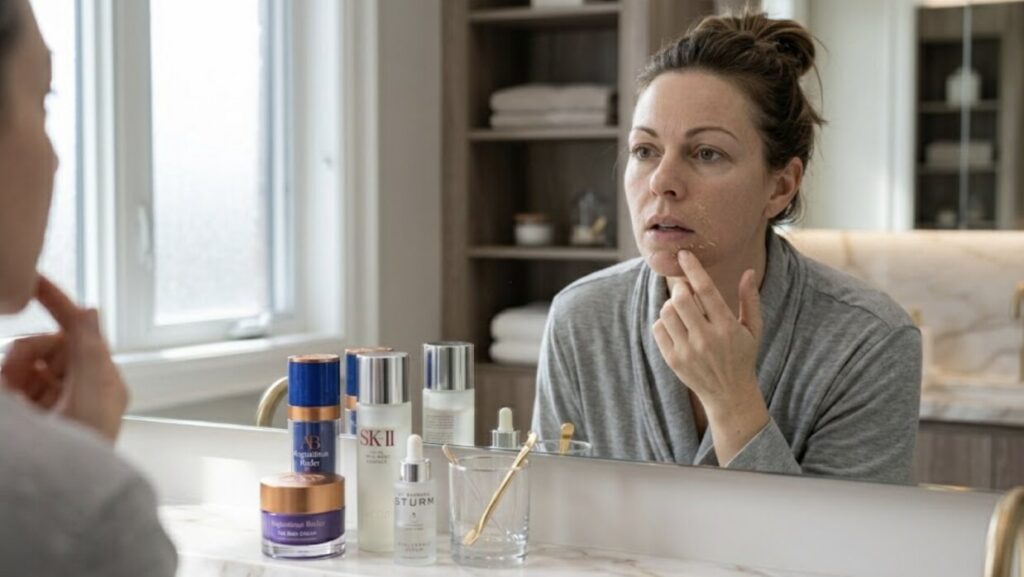
Most patients do not peel exactly the same way. Some experience light flaking, while others peel more noticeably around the nose and mouth. Your recovery depends on peel strength, skin type, and how your skin reacts to exfoliation.
These reactions are usually normal during the healing process.
Redness and Warmth
Your skin may look flushed or feel warm for the first couple of days. This happens because the peel increases skin turnover and creates controlled exfoliation.
Tightness or Dryness
Many patients say their skin feels stretched or unusually dry before peeling starts. That sensation often improves once flaking begins.
Flaking or Peeling
Peeling commonly starts around day two or three. Some people peel lightly, others shed more dramatically. Both can be normal.
Temporary Darkening of Pigment
Pigmented areas sometimes appear darker before they fade. This can happen as damaged skin rises to the surface.
Mild Sensitivity
Your skin may react more strongly to sunlight, sweat, skincare products, and heat for several days after treatment.
Research published through the National Center for Biotechnology Information reports that superficial peels often involve epidermal regeneration within three to five days.
First 24 Hours After a Chemical Peel
The first day after your peel matters more than most people realize. Your skin is more reactive during this stage, so keeping things calm and simple helps a lot.
These early habits can make recovery smoother and more comfortable.
Keep Skin Cool and Calm
Hot water and overheating can increase redness. Wash your face with cool or lukewarm water instead.
If your skin feels warm, use a cool compress gently for short periods.
Avoid Heat, Sweating, Saunas, and Intense Exercise
Sweat can irritate freshly treated skin. Skip heavy workouts, hot yoga, saunas, steam rooms, and long outdoor walks for at least 24 to 48 hours.
Use a Gentle Cleanser Only
Choose a mild cleanser without exfoliating acids, fragrances, or scrubbing particles. Your skin does not need “deep cleaning” right now.
Do Not Pick, Scrub, or Exfoliate
This is probably the biggest mistake patients make.
Peeling skin should release naturally. Pulling at flaky areas can lead to irritation, raw spots, or uneven healing.
Follow LUX Injectables’ Specific Instructions
Every chemical peel works differently. Your provider may adjust recovery instructions based on your treatment depth and skin condition.
Days 2 to 7: How to Care for Peeling Skin
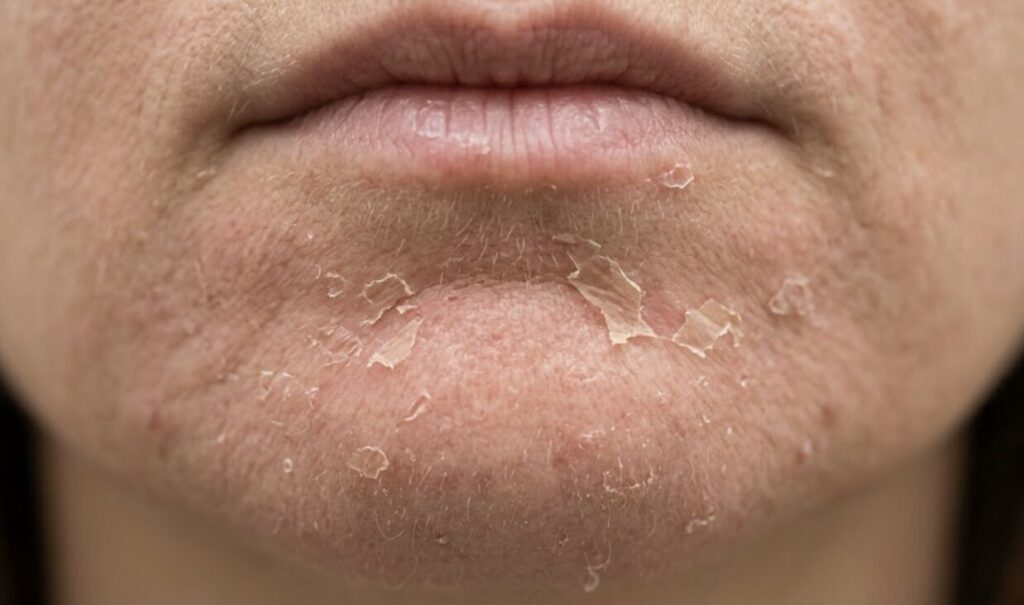
This stage usually tests people’s patience a little bit. Peeling becomes more visible, makeup sits strangely on the skin, and dryness can feel annoying.
Moisturize Often
Hydrated skin feels less irritated during peeling. Apply moisturizer consistently throughout the day if your provider recommends it.
Let Skin Shed Naturally
Flakes around the nose and mouth may tempt you to scrub. Don’t do it. Letting skin release naturally helps prevent unnecessary irritation.
Use Mineral Sunscreen Daily
Freshly exfoliated skin burns more easily.
Mineral sunscreens with zinc oxide or titanium dioxide tend to feel gentler during recovery.
Avoid Makeup Until Skin Feels Ready
Heavy makeup can cling unevenly to peeling areas and make the skin feel more irritated. Sometimes, less really is better here.
Sleep on a Clean Pillowcase
Fresh pillowcases help reduce unnecessary bacteria and irritation while your skin heals.
Clearwater Sun Protection After a Chemical Peel
The Florida sun can make chemical peel recovery harder than people expect. Even a short walk outside without protection may trigger irritation or pigmentation issues after treatment.
Research connected to alpha hydroxy acid use has shown increased UV sensitivity after exfoliation treatments. That’s why sunscreen matters so much after a peel.
Wear Broad Spectrum SPF
Apply SPF 30 or higher every morning, even if the weather looks cloudy.
Reapply Sunscreen When Outdoors
Sweating and humidity can wear sunscreen down faster in Clearwater’s climate. Reapply every two hours if you stay outdoors.
Use Hats and Shade Near the Beach
A wide-brimmed hat helps protect healing skin from direct UV exposure.
Avoid Peak Sun Hours After Treatment
Try limiting outdoor activity during the strongest afternoon sun, especially within the first week after your peel.
Products to Avoid After a Chemical Peel
Some skincare ingredients can seriously irritate healing skin. Keep your routine simple until your provider tells you otherwise.
Retinol and Retinoids
Retinoids increase skin turnover and may overstimulate sensitive skin after treatment.
AHAs, BHAs, and Exfoliating Acids
Avoid glycolic acid, salicylic acid, lactic acid, and similar exfoliants while your skin heals.
Scrubs and Cleansing Brushes
Physical exfoliation can damage compromised skin and trigger more inflammation.
Benzoyl Peroxide Unless Approved
Benzoyl peroxide may feel too harsh during early recovery stages.
Fragrance-Heavy Products
Strong fragrances increase the risk of irritation, especially after exfoliation.
Self-Tanner
Self-tanner often applies unevenly to peeling skin and can worsen patchiness.
When to Restart Your Skin Care Routine
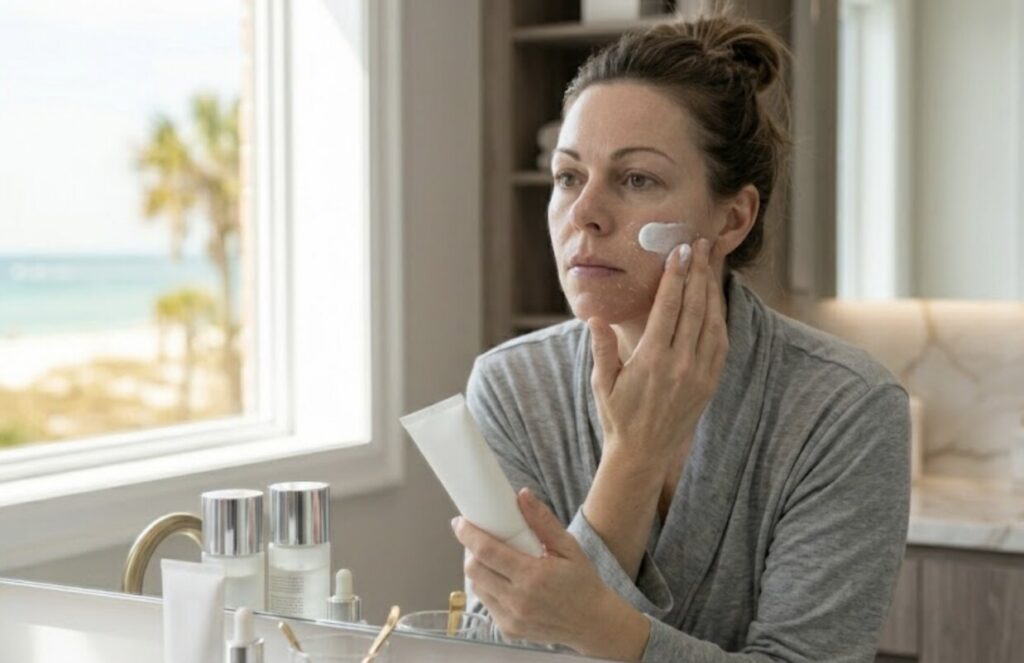
One of the most common questions patients ask is when they can restart their “normal” routine again. The answer depends on how your skin heals.
Start With Cleanser, Moisturizer, and Sunscreen
Keep your routine basic during early recovery.
Add Active Ingredients Slowly
Do not restart retinol, exfoliating acids, or acne products all at once. Reintroduce them gradually.
Watch for Stinging, Burning, or Redness
Those symptoms usually mean your skin barrier still needs more time.
Ask Before Combining Peels With Other Treatments
Microneedling, laser treatments, and stronger acne therapies may require extra healing time between appointments.
Chemical Peel Aftercare Based on Peel Strength
Recovery time changes depending on how deeply the peel works within the skin.
Peel Strength | Typical Recovery | Common Side Effects | Aftercare Focus |
| Light Peels | Few Days | Mild dryness and flaking | Moisturizer and SPF |
| Medium Depth | 1 to 2 weeks | More visible peeling and redness | Strict sun protection |
| Deeper Peels | Longer recovery | Significant sensitivity and peeling | Close medical supervision |
Light Peels
Light peels usually cause mild flaking with minimal downtime. Many patients return to daily activities quickly.
Medium Depth Peels
These peels create more noticeable peeling and require stronger sun protection during recovery.
Deeper Peels
Deeper peels penetrate further into the skin and require more careful monitoring during healing.
Why Choose LUX Injectables in Clearwater, Florida
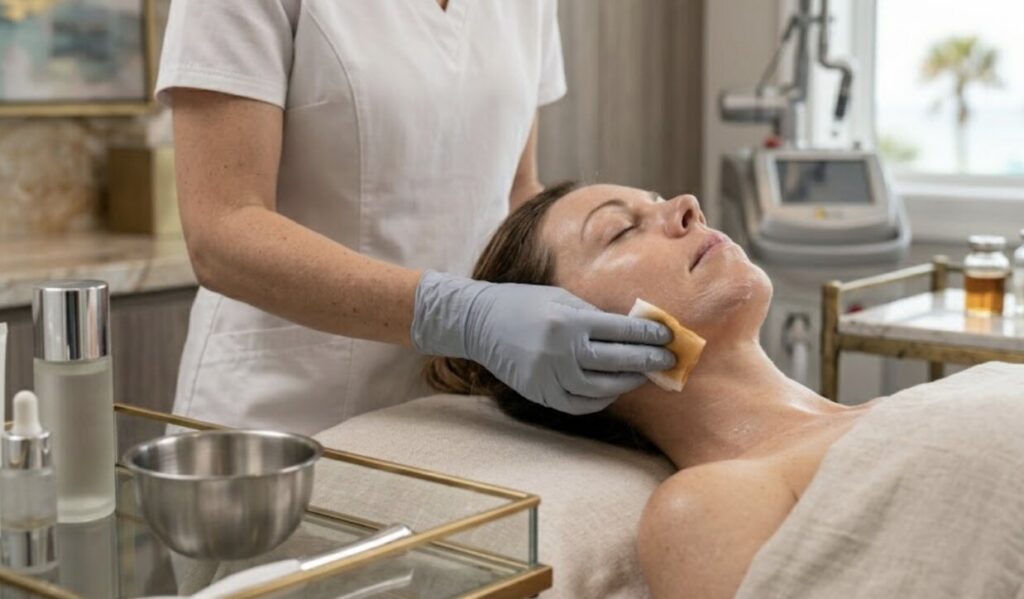
Your provider plays a huge role in both treatment results and recovery. Good aftercare instructions can help you avoid unnecessary irritation and feel more confident during healing.
LUX Injectables offers facials, VI Peel treatments, microneedling, Aqua Gold, dermaplaning, and other aesthetic services in Clearwater, Florida.
VI Peel treatments are especially popular for patients dealing with acne scars, uneven tone, sun damage, fine lines, and texture concerns. Since VI Peels create controlled exfoliation to improve skin renewal, proper chemical peel aftercare becomes extremely important during the healing process. Patients commonly experience peeling around days two through five, which makes hydration, sunscreen use, and avoiding harsh skincare products especially important.
Boutique Med Spa Experience
Patients receive personalized care in a comfortable setting focused on both results and patient experience.
Individualized Treatment Planning
Every patient’s skin reacts differently to exfoliation and active ingredients. Customized treatment planning helps improve safety and recovery.
Medical Artistry With Clear Aftercare Guidance
Patients receive detailed aftercare instructions designed to support proper healing at home after treatments like VI Peel, helping reduce irritation and support smoother recovery.
Comfort Focused Care With Results in Mind
The goal is healthier-looking skin with a treatment plan that fits your skin condition and long-term goals.
FAQs
1. How long does it take for skin to heal after a chemical peel?
Light peels may heal within several days. Medium-depth peels often require one to two weeks. Deeper peels usually involve longer recovery periods.
2. What are the signs that your skin is healing properly after a chemical peel?
Mild peeling, temporary redness, dryness, and gradual texture improvement are commonly part of normal healing.
3. How can Florida heat and humidity affect chemical peel recovery?
Heat and humidity may increase sweating and irritation after treatment. UV exposure can also worsen inflammation and pigmentation risk.
4. What ingredients should be avoided after a chemical peel?
Avoid retinoids, exfoliating acids, scrubs, heavily fragranced products, and benzoyl peroxide unless your provider approves them.
5. When is it safe to resume a normal skincare routine after a chemical peel?
Most patients restart active skincare slowly after peeling and irritation improves. Your provider may adjust timing based on your treatment depth and skin response.
Summary
Chemical peel aftercare can make the difference between smooth healing and unnecessary irritation. Gentle skincare, hydration, and strong sun protection all help support better recovery after treatment.
Patients in Clearwater should pay extra attention to UV exposure after a chemical peel because the Florida sun can increase sensitivity and pigmentation risk while the skin heals.
If you want help choosing the right peel or building a personalized aftercare plan, schedule a consultation with LUX Injectables to discuss your skin goals and treatment options.

Jessica Manges, ARNP, is the founder and lead injector at LUX Injectables in Clearwater, Florida. With over a decade of experience in dermatology and aesthetic medicine, she specializes in PDO threads, neurotoxins, dermal fillers, and personalized treatment planning. Jessica has treated thousands of patients and has trained aesthetic professionals nationally and internationally.